

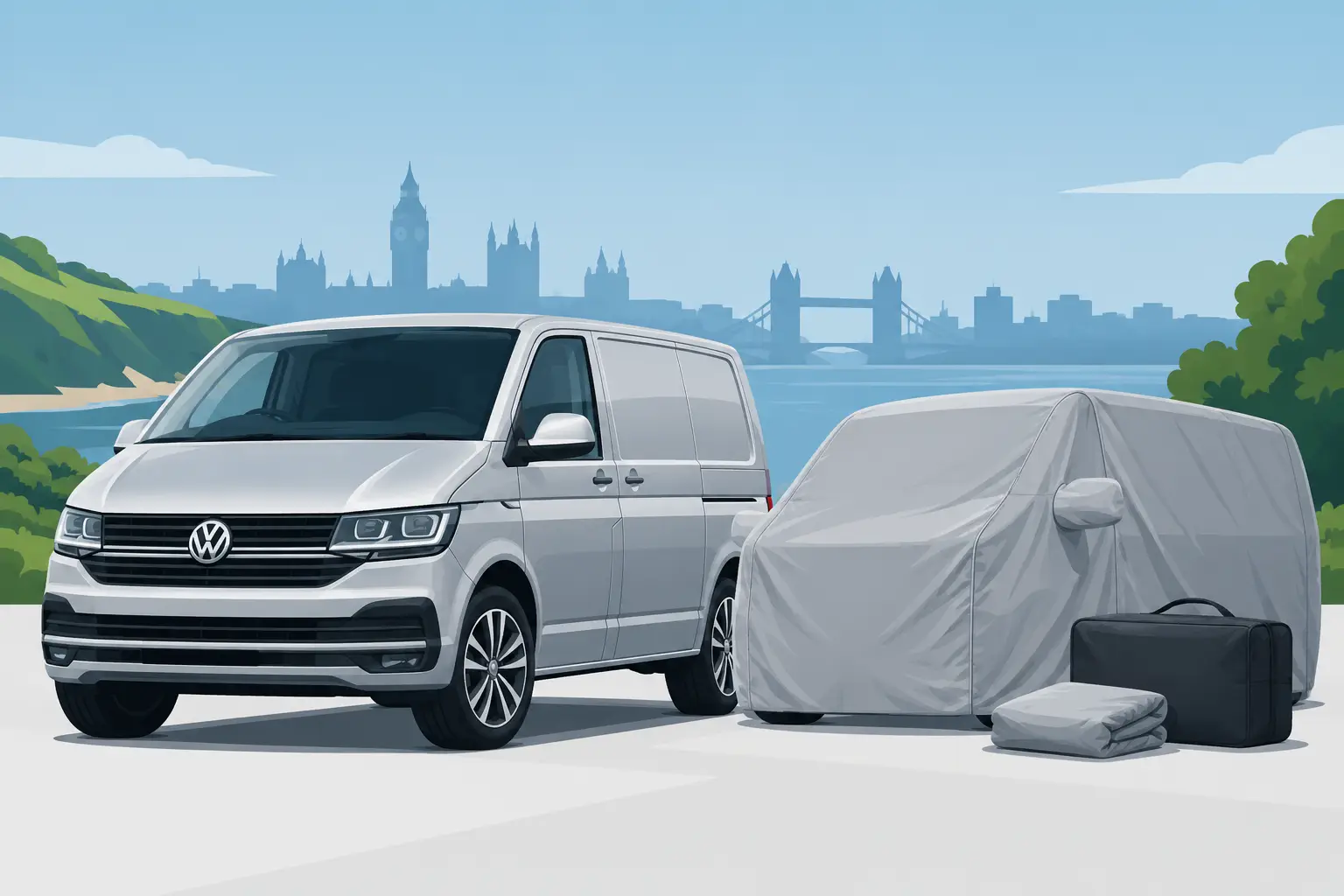
A Volkswagen Transporter can be a workhorse, a family vehicle or the basis of a weekend camper. That versatility is exactly why a VW Transporter cover guide needs to start with how you actually use your van, not simply the badge on the bonnet. A policy that suits a plumber carrying equipment around town may not be suitable for a courier making multiple drops, or for someone using a converted Transporter for holidays.
The right insurance should protect the way you earn, travel or relax without making you pay for extras you do not need. Getting the details right at quotation stage can also help avoid problems if you need to claim.
VW Transporter cover guide: start with your van use
Insurers need a clear picture of your day-to-day use because it affects the likelihood and type of claim. Be accurate about every regular use, even if it only happens occasionally. Selecting social, domestic and pleasure use when you also travel to jobs, carry customer goods or visit multiple sites could leave a gap between the policy you bought and the work you do.
For private use, your Transporter may be used for shopping, family trips, hobbies and towing where the policy permits it. If you commute to one usual workplace, say so. A van used for a trade usually needs business use, with the precise class depending on whether you travel between sites, carry your own tools and materials, or employ additional drivers.
Courier and delivery work normally requires hire and reward cover. This is a specialist requirement, whether you deliver parcels locally, work for a delivery platform or operate as a self-employed multi-drop driver. Do not assume ordinary business van insurance includes it.
If your Transporter has seats, a bed, cooking facilities or other permanent camper conversion features, campervan insurance may be more appropriate. In your online quote, include details of modifications, including elevating roofs, awnings, alloy wheels, security upgrades and declared audio equipment. Factory options and aftermarket changes can both affect the quote.
Choosing the right level of protection
UK law requires cover for third-party liability when using a vehicle on the road. The three familiar cover levels are third party only, third party fire and theft, and comprehensive. The cheapest-looking option is not always the best value, as pricing is based on claims data rather than a simple scale of protection.
Third party only covers your liability for injury to others and damage to their property, subject to policy terms. It does not pay to repair or replace your own Transporter after an accident. Third party fire and theft adds protection if the van is stolen or damaged by fire, but it still does not cover accidental damage to your vehicle.
Comprehensive cover generally includes accidental damage to your own van as well as third-party liability, fire and theft. It can make particular sense if you depend on the Transporter to stay on the road for work, have a newer model, or could not comfortably fund major repairs yourself. However, the excess, exclusions and optional benefits still matter. Comprehensive does not mean every incident or every item inside the van is automatically covered.
Think separately about the van and its contents
Tools, stock and personal belongings often need their own protection. A standard van policy may provide limited cover for personal effects, but that is not the same as specialist tool insurance or goods in transit cover. A tradesperson with several thousand pounds of equipment has different needs from a private owner carrying sports gear.
If you transport customers' goods as part of your work, ask specifically about goods in transit cover. If your business could face a claim for injury or damage caused while working at a customer's property, public liability cover may also be worth considering. These protections address different risks, so one should not be treated as a substitute for the other.
Add-ons worth considering for a Transporter
Optional extras can be useful, but only when they solve a realistic problem. Breakdown assistance can be valuable for drivers covering long distances or working to timed delivery slots. Check the level offered, such as roadside assistance, recovery, onward travel or home start, and whether it reflects the weight and use of your van.
Legal expenses cover may help with the cost of pursuing uninsured losses after an accident where you were not at fault. Courtesy van provision can be equally important, although the type and availability of replacement vehicle will be subject to the policy terms. A small car may not keep a joiner, courier or mobile business operating as normal.
Windscreen cover, European driving cover and protected no-claims discount are further options to discuss. There is no single best package. The sensible approach is to identify what a day or week without the van would cost your household or business, then choose protection accordingly.
What affects VW Transporter insurance prices?
Your premium is based on more than the model and the cover level. The Transporter has a strong reputation and holds its value well, but insurers will consider its repair costs, theft risk, engine size, age and specification alongside your own circumstances.
Your postcode matters because local theft rates, traffic density and claims history vary by area. Where the van is kept overnight also matters. A locked garage or secure driveway may be viewed differently from on-street parking, although you should always state the true arrangement rather than choosing the answer you think will produce a lower price.
Mileage, occupation, age, driving experience, claims history and convictions can all influence the cost. So can the number of drivers and their experience behind the wheel of a van. A small business may save by restricting cover to named drivers, but only if that is practical. Letting an uninsured employee drive is a costly mistake.
Security is particularly relevant for Transporters, which can attract thieves for the vehicle itself and for valuable contents. Approved alarms, immobilisers, tracking systems, secure parking and lockable tool storage may support a stronger risk profile. They are not a guarantee of a lower premium, but they can reduce the chance and impact of theft.
Ways to control the cost without cutting corners
Start by checking that the declared annual mileage is realistic. Underestimating mileage to reduce the quote can cause difficulties later, while overstating it may mean paying for a risk you do not present. If your work pattern has changed, update it.
Paying annually rather than by monthly instalments can reduce the total amount paid, depending on the finance arrangement. Choosing a higher voluntary excess may lower the premium too, but only select an amount you could afford alongside any compulsory excess if you made a claim.
Build and protect your no-claims history where possible. Review named drivers regularly, remove anyone who no longer uses the van, and avoid unnecessary modifications. Above all, compare the protection rather than focusing only on the first price shown. A lower premium can be poor value if it excludes the use, equipment or recovery support you rely on.
Have these details ready for a clearer quote
Having accurate information ready makes it easier to complete your online comparison. You will usually need your registration number, vehicle value, estimated mileage, overnight parking location and details of any modifications. Have your driving licence information, claims and convictions to hand too, including incidents that did not result in a claim if you were asked about them.
For business cover, be ready to explain your occupation in plain terms, where you travel, whether you carry your own equipment or customers' goods, and whether you make deliveries for payment. For a camper conversion, describe the conversion accurately and say whether it has been professionally completed or self-built.
Van Insure 24/7 offers easy-to-use online van insurance comparison. Enter your Transporter details and actual work or leisure use, then compare available quotes and check their terms rather than renewing automatically.
Before you buy, read the policy documents and ask about any point that is unclear, especially exclusions, excesses, driver restrictions and theft conditions. A well-chosen policy is not about adding every possible extra. It is about knowing your Transporter can support your working day, your plans and your income when something does not go to plan.