

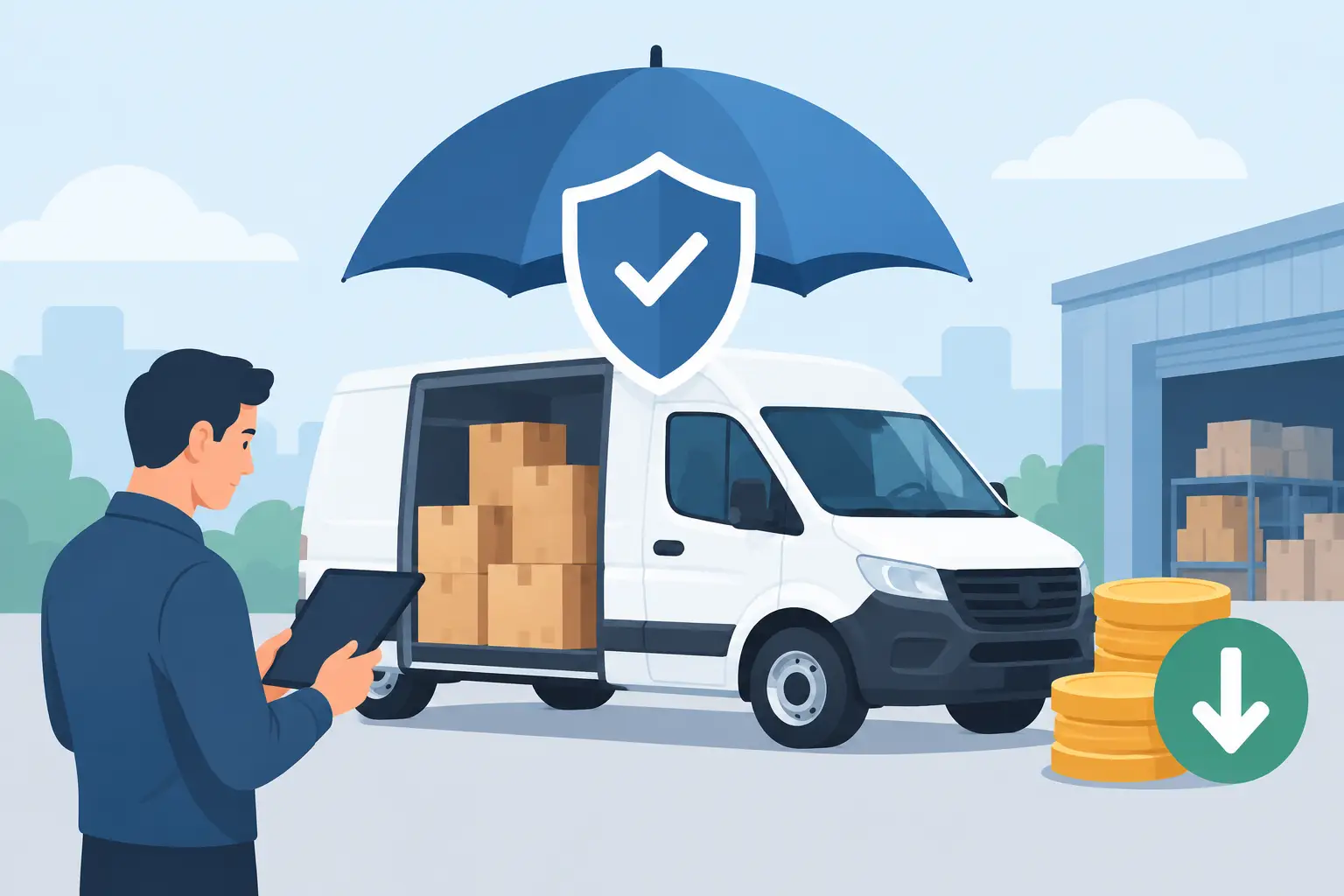
A van full of materials, parts or products can represent a sizeable slice of your working capital. If it is stolen overnight, damaged in a collision or lost while you are making deliveries, replacing it could stop work just when you need to keep earning. Knowing how to insure van stock properly means looking beyond the vehicle itself and choosing cover that reflects what you carry, where you leave it and how your business operates.
Standard van insurance may repair or replace your van after an insured incident, but it will not automatically protect the stock inside it. The right solution will often involve goods in transit insurance, sometimes alongside tools cover or other optional protection. The detail matters, because insurers set different limits, exclusions and security requirements.
Start by separating stock, tools and personal belongings
The first step is to be clear about what is in your van. Insurers do not always treat every item in the same way, even if it all travels with you for work.
Stock is usually goods you own to sell, deliver, fit or use as part of a job. For a plumber, this might include boilers, taps, pipe fittings and radiators. For a florist, it could be arrangements and supplies being delivered to customers. A retailer or courier may carry products that belong to their business or, in some cases, to a customer.
Tools are normally the equipment you use to do your job, such as drills, saws, diagnostic equipment or ladders. They may need dedicated tools-in-van cover, rather than stock cover. Personal items, such as a phone, clothing or a child’s car seat, may have limited protection or none at all under a business van policy.
When completing your online quote, state exactly what you carry. A vague description such as “work items” can make it harder to establish whether the cover meets your needs when you need to claim.
Choose goods in transit cover that fits your work
Goods in transit cover is designed to protect stock and other business goods while they are being moved from one place to another. It can be particularly relevant if you make deliveries, collect supplies, take materials between jobs or transport customer goods.
Cover may respond to risks including theft from the van, accidental damage following a road traffic incident, or loss while loading and unloading. However, the policy wording determines the real level of protection. Some policies cover only goods belonging to you, while others can be extended to goods in your care, custody or control. This distinction is especially important for couriers, removal firms and tradespeople collecting customer-owned items.
Think about the highest value you carry at any one time, not your average load. If you typically have £1,000 of fittings in the van but occasionally collect £5,000 of materials for a large project, a £1,000 cover limit would leave a costly shortfall. The same applies if the value of your stock rises at busy times of year.
Do not assume that a higher limit is always the best value choice. You should select a realistic amount that gives you meaningful protection without paying for cover you do not need. The aim is to only pay for the cover you need, while avoiding an underinsured claim.
Check when and where stock is covered
A common misunderstanding is that goods in transit cover protects stock at all times. Many policies are intended for goods being transported, not stock stored in a van overnight at home, on a driveway or outside a job. Some insurers may offer limited unattended-vehicle theft cover, but often only when the van is properly locked and secured.
Ask how the policy treats stock when you stop for fuel, collect a coffee or visit a customer. Also check whether cover applies while loading, unloading and temporarily storing goods at a work site. If your work involves leaving materials in the van overnight, you may need stronger security arrangements, a secure compound or separate business premises cover.
Give accurate details when arranging cover
Insurers price van stock insurance around the risk they are taking on. Accurate information helps insurers calculate quotes on the right basis and reduces the chance of an unpleasant surprise later.
Be ready to explain your trade, business use and typical journeys. A joiner travelling locally between domestic jobs presents a different risk from a courier making multi-drop deliveries across several counties. If you deliver goods for payment, carry hired-in equipment or transport items owned by customers, say so at quotation stage.
You should also provide the estimated maximum value of stock, the types of goods carried and whether anything is particularly attractive to thieves. Electronics, tobacco, alcohol, high-value parts and specialist equipment can be subject to tighter terms or may not be covered as standard.
The insurer will usually need details of where the van is kept overnight, its security features, the drivers who use it and your claims history. Do not round down figures to make a quote look cheaper. If the declared stock value is too low, the settlement may not cover the full loss.
Improve van security before you need to claim
Good security can help protect your livelihood and may support a more competitive premium. Factory-fitted alarms and immobilisers are helpful, but many working vans benefit from practical upgrades.
Consider combining several measures:
- Deadlocks or hook locks can make forced entry harder.
- Slam locks may suit drivers who make frequent deliveries and need doors to lock automatically.
- Lockable internal storage keeps tools and smaller stock less visible.
- An alarm, tracking device or CCTV at your parking location can add further reassurance.
- Clear security marking and an up-to-date inventory can help identify recovered property.
Security does not remove the need for insurance, and no lock is a guarantee against theft. It does show that you are taking sensible precautions. Check the policy conditions too. An insurer may require all doors and windows to be locked, keys removed and specified security devices activated whenever the van is left unattended.
Avoid the gaps that catch van owners out
The cheapest quote is not always the most useful one. Before buying, ask what excess applies to a stock claim, whether theft from an unattended vehicle is included, and whether there is a separate excess for tools or goods in transit.
Also check territorial limits if you travel outside the UK, the time limit for reporting theft, and whether there are restrictions on goods left in the van between certain hours. Some policies exclude stock kept overnight unless the van is in a locked garage or secure compound. Others may exclude loss caused by inadequate packaging, theft by employees or goods that are hazardous, perishable or particularly valuable.
If you use subcontractors or employ drivers, make sure they are properly declared where required. A business can also need public liability insurance if its work could injure someone or damage their property. This is separate from protecting your own van stock, but it may be a sensible part of your wider business protection.
Keep records that make a claim easier
A claim is easier to progress when you can show what was in the van and what it was worth. Keep supplier invoices, purchase receipts, delivery notes and photos of larger loads. Update your stock records regularly, especially after buying materials for a major job.
If theft occurs, report it to the police as soon as possible and obtain a crime reference number. Tell your insurer promptly, preserve any relevant CCTV footage and avoid disposing of damaged goods until you have been advised what to do. These simple steps can help establish the loss and support a quicker decision.
How to keep the cost sensible
You can often reduce the cost of cover without cutting out the protection that matters. Paying annually rather than monthly can cost less overall, although it depends on your budget. A voluntary excess may reduce the premium too, but only choose an amount you could comfortably pay following a claim.
Limiting cover to a realistic stock value, parking securely, keeping your mileage accurate and building a no-claims history can all help. For businesses with several vehicles, a multi-van or fleet arrangement may be more practical than managing separate policies. Most importantly, review cover when your workload changes. A growing business that carries more stock than it did a year ago may have outgrown its original limit.
Compare the available cover, exclusions, excesses and optional extras yourself. We provide an online comparison service, not personal insurance advice. Van Insure 24/7 provides online comparison, not personal advice. Check the policy documents to confirm whether tools, stock or goods in transit need separate protection.
The best time to review your stock cover is before the next large delivery, new contract or busy season. Check the theft conditions, security requirements and cover limits before buying a policy.